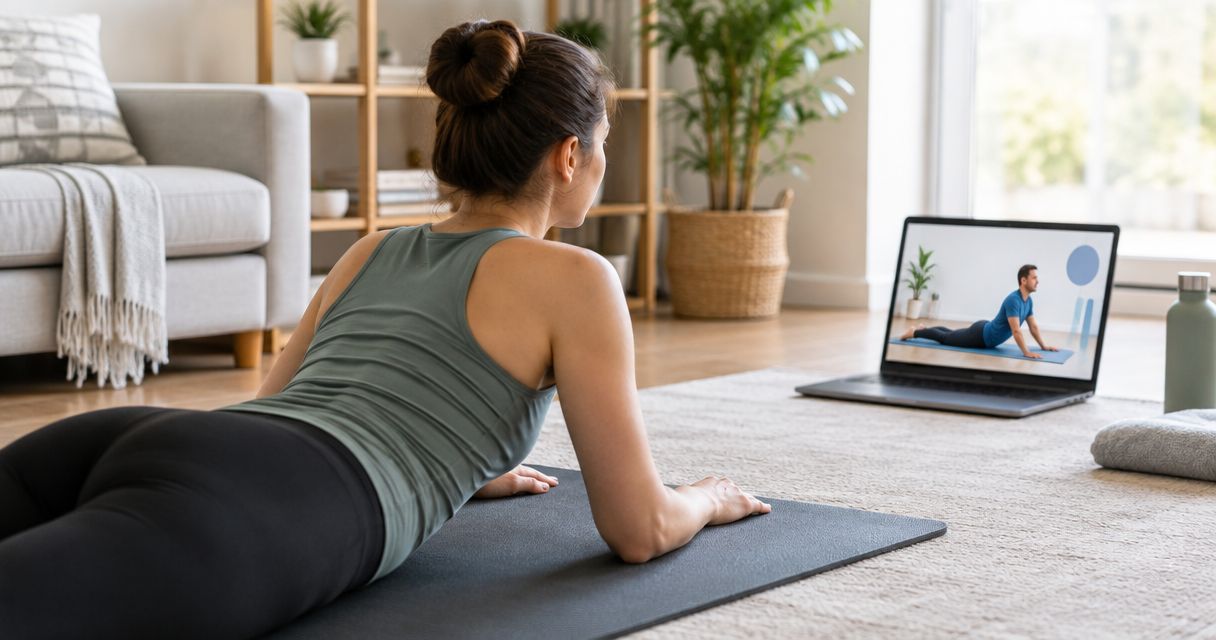

Yes—mobile physiotherapy in Sydney can assess walking aids at home, including how an aid fits you and works in the spaces you use every day. An assessment does not automatically include supplying equipment, arranging funding or making every recommended adjustment; confirm those details before booking.
- Mobile physiotherapy Sydney appointments can assess walking aid fit, walking technique and movement around your home.
- A walking stick, walking frame and rollator provide different support; assessment helps identify an appropriate option.
- Foveria Health provides in-home physiotherapy across Greater Sydney; ask Simon about your walking aid assessment needs.
- Confirm equipment trials, written recommendations and any separate supply arrangements before your appointment.
Why this matters
A walking aid needs to suit both the person and the place where they use it. A hallway turn, bathroom doorway or favourite armchair can reveal practical difficulties that are harder to explain away from home.
The right question is not simply which aid offers more support, but which aid you can use appropriately in your daily surroundings. If you are comparing providers in 2026, this guide to choosing mobile physiotherapy in Sydney explains what to clarify before arranging a visit.
Can mobile physiotherapy in Sydney assess walking aids at home?
Yes. A home physiotherapy assessment can consider your walking, balance, strength, comfort and ability to manage your current aid, alongside the layout of your home. Tell the physiotherapist about falls, near misses, recent surgery and any instructions from your treating team.
The process is individual rather than a standard equipment recommendation. An assessment commonly involves the following steps, with activities selected according to your circumstances and consent.
- Discuss your goals. Explain where walking feels difficult and what you want to manage more confidently, such as reaching the bathroom or moving between rooms.
- Review your current aid. Show the physiotherapist what you use, including any borrowed equipment, and explain who originally recommended it.
- Observe everyday movement. Where appropriate, the physiotherapist watches you stand, walk, turn and approach a chair using your usual aid.
- Check the surroundings. Discuss narrow spaces, floor surfaces, thresholds and the routes you use most often.
- Agree next steps. Ask for a clear explanation of any recommended changes, further assessment or equipment arrangements.
A home assessment is an opportunity to understand the problem before choosing a solution. It does not mean you must replace an aid that is working appropriately.
Which walking aids can a home physiotherapist assess?
Walking sticks, walking frames and wheeled walkers have different handling requirements. No single option is best for everyone, and a comparison table cannot determine which one you should use.
The “best for” descriptions below explain the question each option addresses during assessment. They are not instructions to choose equipment without individual advice.
| Walking aid | Best for assessment when | Potential advantage | Limitation to check |
|---|---|---|---|
| Walking stick | You need to establish whether support through a stick is sufficient | Less bulky than a frame in everyday spaces | It provides less support than a walking frame and requires appropriate technique |
| Walking frame | You need to assess support through both hands | Offers support through both arms | Some designs need lifting or advancing, which requires suitable strength and coordination |
| Rollator or wheeled walker | You need to assess wheeled support and control | Moves along the floor without lifting the whole frame | Brakes, turning and keeping the walker controlled require individual assessment |
Walking frames and rollators also differ within their categories. Wheel arrangements, handles and other features affect how they are used, so bring attention to the actual aid rather than relying on a general label.
Walking sticks: fit and technique
A walking stick assessment considers how you hold the stick, its height, its condition and its relationship to your walking pattern. The physiotherapist also considers whether a stick provides enough support for your needs.
A stick that belonged to a relative is not automatically suitable for you. Explain whether it was prescribed, borrowed or purchased without an assessment, rather than changing its setup yourself to match someone else's advice.
Walking frames: support and handling
A walking frame assessment considers how you move the frame, step within it and turn in the spaces you actually use. Your hand grip, arm strength and ability to coordinate the movement all matter.
More support does not necessarily mean easier use. A frame that is difficult to advance or manoeuvre needs review rather than an assumption that practice alone will solve the difficulty.
Rollators: control and brakes
A rollator assessment considers whether you can control its movement and operate its brakes. Turning, approaching a chair and moving through doorways are useful everyday situations to discuss.
Wheels change how an aid behaves. Do not assume a rollator is the next step simply because a walking frame feels inconvenient; ask the physiotherapist to explain the reasons for any recommendation.
Why walking aid recommendations vary
The most useful recommendation connects your physical needs with what happens at home. These factors help explain why people with similar walking difficulties can receive different advice:
- Balance and walking pattern: The physiotherapist considers where you need support and how you move with the aid.
- Hand and arm function: Grip, discomfort and the ability to manage handles or brakes affect practical use.
- Home layout: Doorways, corners, furniture and thresholds influence how an aid moves through your home.
- Understanding and coordination: Remembering instructions and managing the sequence of movement are part of appropriate use.
- Health changes and restrictions: Recent surgery, changing symptoms and treating-team instructions affect the assessment.
- Daily goals and support: Living alone, having assistance and wanting to access different parts of the home shape the discussion.
An aid should be assessed in relation to your needs, not selected because another person finds it helpful. Tell the physiotherapist what happens on difficult days as well as what you can manage during the appointment.
How should you prepare for a walking aid assessment?
You do not need to turn your home into a treatment room. The most useful preparation is to make your usual equipment and relevant information easy to access while leaving an ordinary picture of how you live.
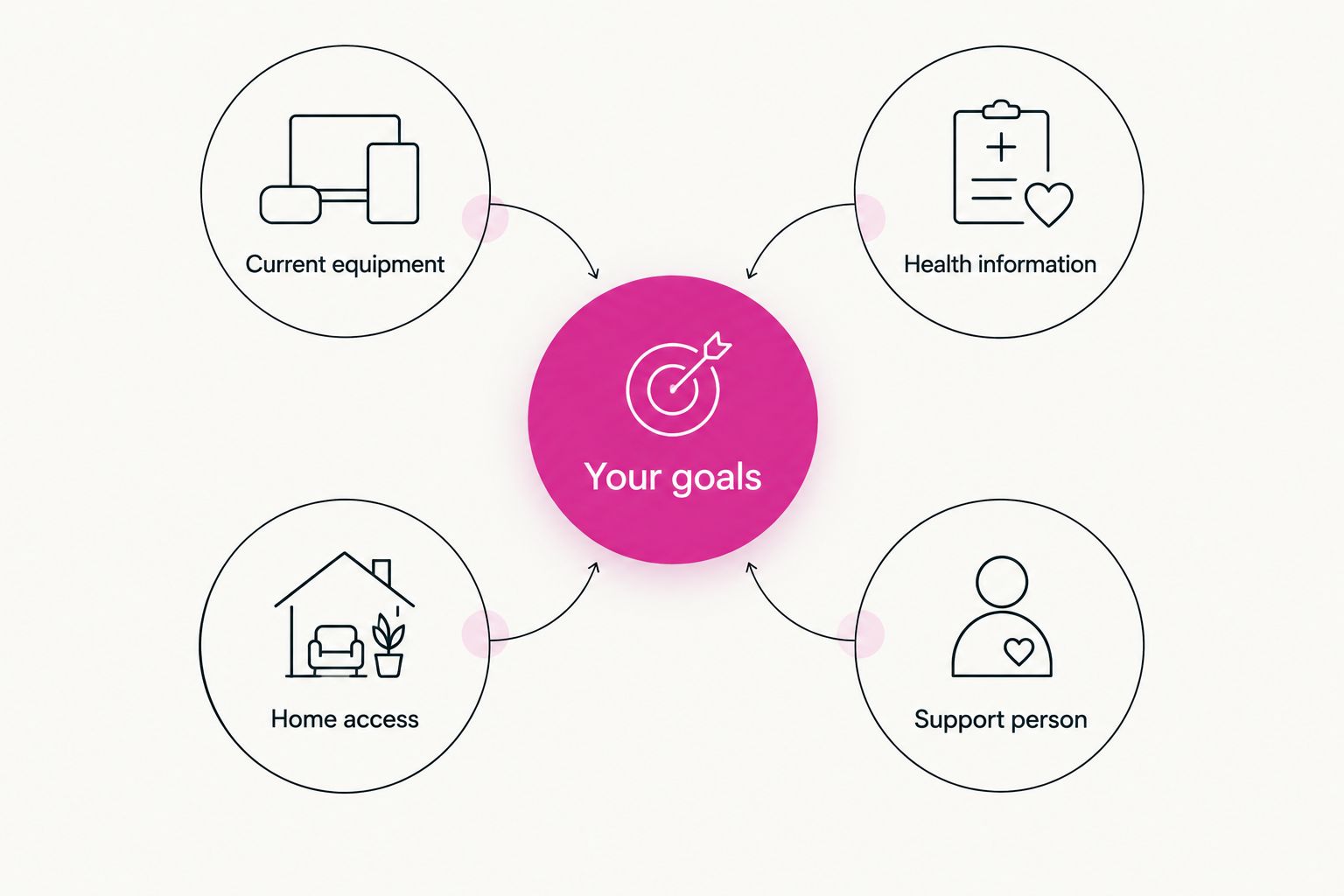
Use these prompts when arranging a home appointment in 2026:
- Your goals: Describe a specific task that matters to you, such as getting from your bedroom to your usual chair.
- Current equipment: Have your walking aid nearby and mention any other aids you use indoors or outdoors.
- Health information: Gather relevant discharge instructions, referral information or restrictions from your treating team.
- Home access: Explain steps, entry arrangements and anything the visiting physiotherapist needs to know before arriving.
- Support person: Ask whether a family member, carer or support worker should attend, with your agreement.
There is no need to demonstrate an activity you already consider unsafe before the appointment. Describe the difficulty and let the physiotherapist decide how to assess it appropriately.
What should you ask before booking in Sydney?
Explain that you want a walking aid assessment, rather than assuming every home visit includes equipment advice. Be clear about whether you already own an aid, want a review or need help deciding what to use.
Useful questions include:
- Does the appointment include reviewing my current walking aid?
- Can you assess the parts of the home where I have difficulty?
- Are equipment trials possible, or would those need a separate arrangement?
- Can you provide written recommendations if my care team needs them?
- What information should my doctor, provider or support coordinator send?
- What appointment fees and separate equipment arrangements should I confirm?
Foveria Health provides mobile physiotherapy across Greater Sydney. Ask Simon about your suburb, including Punchbowl or nearby areas, and explain the assessment you are seeking rather than assuming a particular visit or equipment service is available.
Foveria Health is suited to people seeking personal, goal-focused physiotherapy at home in Greater Sydney. Home care brings the assessment into your everyday surroundings, but equipment supply and any specialist input still need to be clarified separately.
Does an assessment include a new walking aid?
No—an assessment and the supply of equipment are separate matters unless your provider confirms otherwise. Ask what is included before you book or purchase anything.
Your next step might involve advice about your existing aid, an equipment trial or referral for further input. Keep a record of the recommendation and clarify who will organise any follow-up.
Can a family member attend the assessment?
Yes, a family member or support person can be involved with your agreement and arrangements confirmed with the provider. They can describe difficulties they have noticed and listen to the advice you receive.
Your own goals remain central. A useful support person helps explain your daily routine without speaking over you or making decisions without your involvement.
Can an assessment guarantee that I will not fall?
No assessment or walking aid guarantees that you will not fall. A physiotherapist can assess relevant movement difficulties and discuss an individual plan, but falls can have several contributing causes.
Explain any recent falls, dizziness, blackouts or sudden changes when arranging care. Do not wait for a routine physiotherapy visit to address an acute medical concern.
What should referrers include in 2026?
A useful referral explains the practical question that needs answering. “Please review walking aid use between the bedroom and bathroom” gives more direction than a request for a general mobility check alone.
With the person's consent, share relevant medical information, current equipment, recent falls or changes in mobility, and any treating-team restrictions. Include the person's own goals and who should receive the recommendations.
For home care providers and support coordinators, distinguish assessment needs from equipment arrangements. If funding is being considered, confirm the applicable requirements with the relevant provider or plan contact rather than assuming an assessment establishes eligibility or approval.
Agree who will act on the recommendations. A written report is most useful when the client and care team know who will arrange follow-up, clarify equipment questions and communicate changes.
FAQ
Can mobile physiotherapy in Sydney check whether my walking stick fits?
Yes, a mobile physiotherapist can assess walking stick fit and how you use it. Ask whether your appointment includes reviewing your current aid, walking pattern and home environment.
Is a walking frame better than a walking stick?
A walking frame is not automatically better than a walking stick. The appropriate option depends on your support needs, physical abilities and ability to use the aid in your surroundings.
Can a physiotherapist assess a walker that I borrowed?
Yes, you can ask a physiotherapist to assess a borrowed walker. Explain where it came from and whether anyone has previously checked its suitability for you.
Will the physiotherapist bring different walking aids to try?
Equipment trials are not something to assume is included. Ask the provider before booking whether trial equipment is available or needs a separate arrangement.
Do I need a referral for a walking aid assessment at home?
Confirm referral requirements with the physiotherapy provider and any organisation paying for the appointment. Do not assume the requirements for one payment arrangement apply to another.
Can an NDIS participant request a walking aid assessment?
An NDIS participant can discuss a walking aid assessment with a physiotherapy provider. Confirm the proposed service, payment arrangements and any equipment requirements separately; a request does not establish funding eligibility.
Can the physiotherapist assess my bathroom doorway and hallway?
A home assessment can consider everyday routes such as a bathroom doorway and hallway. Describe the problem beforehand so the physiotherapist can plan an appropriate assessment.
One last thing
Before arranging a walking aid review in 2026, write down the exact place where movement becomes difficult. “The turn beside the bathroom door” is more useful than “walking is harder”.
Bring that detail to your conversation with Simon at Foveria Health. Start with the daily task you want to manage, not with an aid you feel you ought to buy.