

To arrange mobile physiotherapy in Punchbowl, contact a home-visiting practice with your suburb, the reason for the visit and how you intend to pay, then confirm the appointment details before booking. Ask what paperwork applies to your circumstances and who needs to approve any funding; requesting a home visit does not establish funding eligibility or confirm an appointment.
- For mobile physiotherapy Punchbowl enquiries, explain your goals, home access and payment arrangements before booking.
- Foveria Health offers in-home physiotherapy across Greater Sydney; ask about a visit to your Punchbowl address.
- Confirm referrals, funding approval and appointment details rather than assuming they are already settled.
- Families, support coordinators and home care providers should agree who will arrange and attend the visit.
Why this matters
Arranging home physiotherapy involves more than finding someone who visits your suburb. You need an appointment that suits the person receiving care, a clear reason for the visit and an agreed payment arrangement. Sorting out those details early helps you make a useful enquiry without sharing an entire medical history at the outset.
Foveria Health offers mobile physiotherapy across Greater Sydney, including in-home assessment and treatment. If you are enquiring about Punchbowl in 2026, give your actual address and ask about appointment arrangements rather than assuming a particular day or time is available.
You do not need to describe your concerns in clinical language. Explain what has become difficult and what you want help with: getting around the home, returning to an everyday activity, or discussing pain and stiffness.
How do I arrange mobile physiotherapy in Punchbowl?
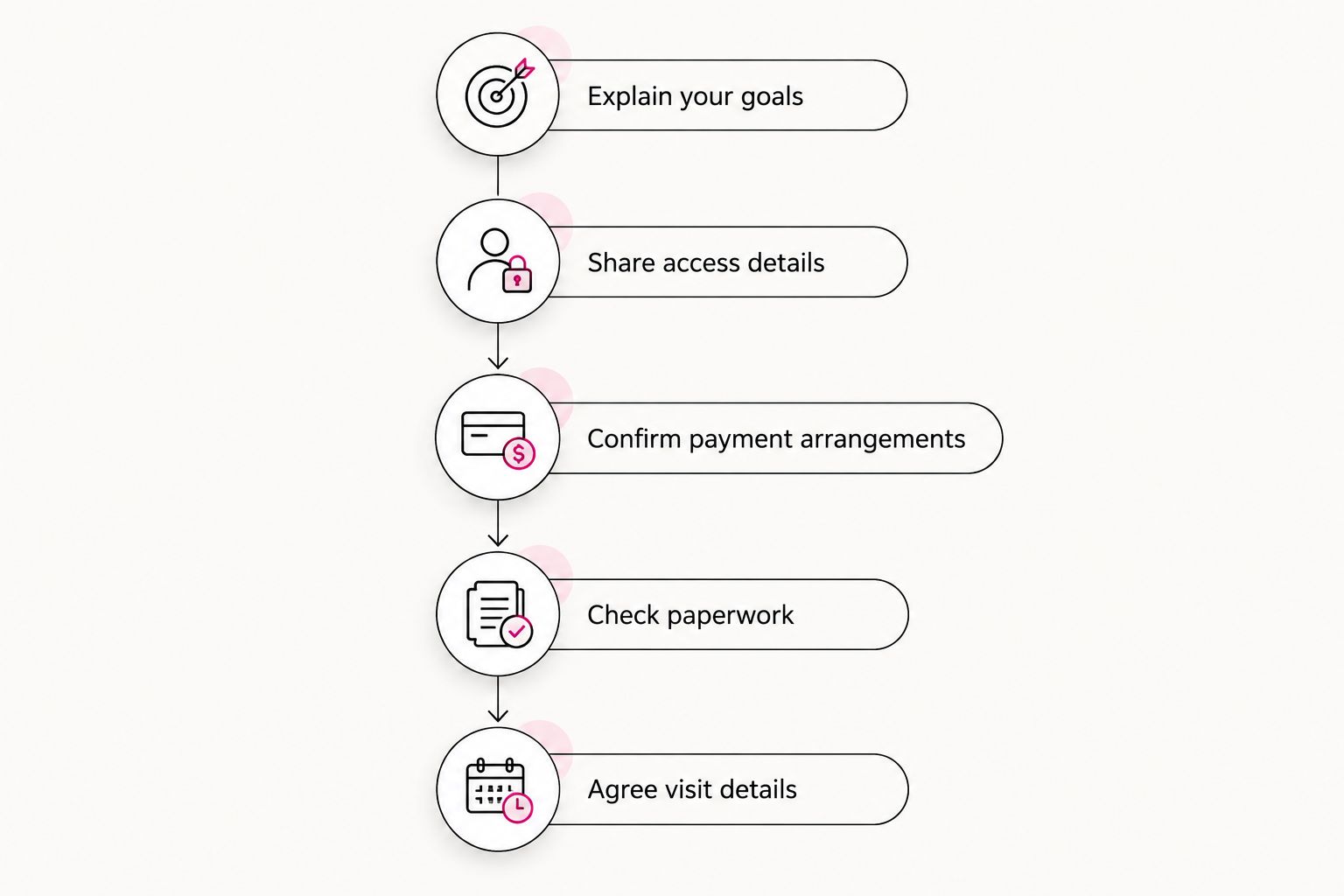
Start with your goals and finish with a confirmed appointment, not just an unanswered enquiry. The following steps give clients, families and professional referrers a practical way to organise the details.
Explain your goals
Tell the practice what prompted the enquiry and what you hope the appointment will address. A plain description such as difficulty getting out of a chair is more useful than trying to choose a treatment yourself. You can also explain whether you are seeking an assessment after a change in your health or help with an ongoing concern.
If you are arranging care for someone else, include their priorities rather than only your own. Ask what they want to feel more confident doing and whether they are comfortable receiving a visitor at home. Their preferences belong in the enquiry from the beginning.
Share access details
Give the Punchbowl address and describe anything relevant to entering the home. This includes stairs, an entry code, parking instructions or a building entrance that is difficult to find. Ask how to provide access information securely rather than putting sensitive details into a public message.
Mention communication needs and whether a family member, support worker or interpreter will be involved. Do not assume the practice supplies those supports. Ask what arrangements you need to make so the person receiving care can participate in the conversation.
Confirm payment arrangements
State whether you intend to pay privately or enquire about NDIS, Support at Home or Medicare-funded care. Ask what documents and approvals apply to the proposed appointment. Naming a funding pathway is the start of that conversation, not confirmation that the visit is covered.
For a 2026 enquiry, check the current requirements with the practice and the organisation responsible for your funding. Request a written explanation of the proposed charges and who will receive the invoice. Keep the payment conversation separate from the clinical question of whether the service suits your needs.
Check paperwork
Ask whether the practice needs a referral, relevant reports, plan information or consent forms before confirming the visit. The answer depends on the appointment and payment arrangements. Avoid sending a large collection of documents before you know which information is needed and how to send it securely.
If a GP, hospital team or another treating professional has recommended physiotherapy, mention that recommendation. Ask which documents would help the physiotherapist understand the reason for the visit. A referral does not replace the need to confirm booking and payment details.
Agree visit details
Before treating the booking as settled, confirm the address, date, arrival arrangements and who will attend. Ask what you should have ready and how to contact the practice if circumstances change. Also ask about cancellation terms before accepting the appointment.
If several people are involved, nominate a main contact with the client's agreement. That person can pass on the confirmed details and prevent different people from making conflicting arrangements. Keep a written copy somewhere the client or their chosen support person can find it.
Is a home visit the right appointment format?
A home appointment lets you discuss your goals where you carry out daily activities. A clinic appointment takes place away from your home and requires you to organise the journey. Choose the setting around your needs, not an assumption that either format is always better.
| Appointment format | Best for | Practical advantage | Point to check |
|---|---|---|---|
| Home physiotherapy | People who want assessment and treatment in their own surroundings | You can discuss everyday difficulties in the place they occur | Confirm access, privacy and whether the planned appointment can take place at home |
| Clinic physiotherapy | People who prefer attending a separate treatment setting | Your appointment takes place outside the household environment | Confirm travel arrangements and whether the clinic appointment suits your needs |
Neither setting guarantees a particular outcome. Explain your circumstances and ask the treating physiotherapist whether the proposed setting is appropriate. If you prefer home care but have concerns about space or privacy, raise those concerns before booking rather than trying to solve them on the day.
Foveria Health mobile physiotherapy is best suited to people seeking assessment and treatment at home in Greater Sydney. When enquiring about care with Simon, describe your goals and ask whether the proposed home visit suits the help you are seeking.
Why booking arrangements vary
Two people living in Punchbowl can need different booking arrangements. The difference is not simply their address: the reason for care, their preferences and the people organising it also matter.
Use these factors to guide your enquiry:
- Reason for the visit: Explain whether you want an initial assessment, help with an ongoing concern or a discussion about recovery needs.
- Payment pathway: Identify whether you are enquiring privately or through NDIS, Support at Home or Medicare-funded arrangements, then confirm the requirements.
- Home access: Share relevant information about stairs, building entry and finding the property.
- Communication preferences: Ask how to arrange any support needed to understand and participate in the appointment.
- People involved: Clarify the roles of the client, family, support worker, coordinator or home care provider.
- Relevant documents: Ask which referrals or reports are needed and where to send them.
These details help shape the booking conversation. They do not establish a diagnosis, funding entitlement or treatment plan. Those questions need the appropriate professional or funding organisation involved.
What should families and professional referrers include?
A useful enquiry explains the proposed care without overwhelming the person receiving it. Begin with the client's consent, their preferred contact arrangements and the reason you are seeking a home appointment. Make clear whether you are asking for information or requesting a booking.
For family members, the priority is preserving the person's involvement. Ask whether they want you to organise the visit, attend it or simply help with paperwork. Do not assume that arranging an appointment also means they want you present throughout it.
For support coordinators and home care providers, distinguish the clinical request from administrative responsibilities. State who will provide documents, who can approve the proposed service and who should receive booking correspondence. Confirm invoicing instructions before the appointment rather than leaving them for the physiotherapist to resolve afterwards.
A clear enquiry can follow this outline:
- Client's preferred name and contact method, shared with permission.
- Punchbowl address or suburb for the initial coverage enquiry.
- Main concern and the client's own goals.
- Relevant access or communication arrangements.
- Intended payment pathway and the person responsible for confirming it.
- Your role and whether you will attend.
When arranging care with Foveria Health in 2026, ask how to send personal and funding documents securely. Keep sensitive information out of social media comments and other public channels.
How do I prepare my home for the appointment?
Ask the practice what preparation the planned appointment requires. You do not need to turn your home into a treatment room. The aim is to make the visit practical while keeping you comfortable in your own surroundings.
Think about where you would prefer to talk and whether you want someone else present. Tell the practice about access difficulties in advance. Do not move heavy furniture or attempt an unfamiliar activity just to prepare for the visit.
Keep requested documents and your questions somewhere easy to reach. If you want to discuss a particular daily task, explain the difficulty rather than trying to demonstrate it before receiving guidance. The physiotherapist can discuss what is appropriate during the assessment.
Before a 2026 appointment, check the booking message again for any preparation instructions. If your circumstances have changed since the enquiry, contact the practice so the appointment arrangements can be reconsidered.
Do I need a referral before I enquire?
You can ask about a home appointment before you have resolved every paperwork question. Tell the practice how you intend to pay and ask whether a referral or other documents are needed for that arrangement. Do not treat a general enquiry as confirmation that no referral is required.
If you already have a referral, mention it and ask how to share it securely. Keep a copy for your own records.
Can someone else arrange the appointment for me?
A family member, support worker or professional referrer can help with the enquiry, with your agreement. Confirm who the practice should contact and what information you want shared. You can also ask for booking information in a form that is easier for you to review.
Receiving help with administration does not mean giving up your say in care. Your goals and preferences should remain part of the appointment discussion.
What should I confirm about funding in 2026?
For a 2026 appointment, confirm the current requirements for your individual payment arrangement before booking. Ask who must authorise the service, what documents are required and whether any part of the proposed appointment remains your responsibility. Do not assume that receiving a particular type of support automatically covers every physiotherapy visit.
If an answer is unclear, ask the practice and the relevant funding contact to clarify their respective responsibilities. Keep the written confirmation with your booking details.
Ask about a home appointment
Explain your goals, Punchbowl address and intended payment arrangements before confirming a visit.
FAQ
How do I book mobile physiotherapy in Punchbowl?
Contact a home-visiting practice with your suburb, reason for the visit and intended payment arrangement. Confirm paperwork, home access and appointment details before treating the booking as settled.
Does Foveria Health provide mobile physiotherapy across Greater Sydney?
Foveria Health provides mobile physiotherapy across Greater Sydney. Give your Punchbowl address and ask about arrangements for the proposed visit; coverage does not confirm a particular appointment time.
Is home physiotherapy better than going to a clinic?
Home physiotherapy is not automatically better than a clinic appointment. Choose the setting around your care needs, preferences, access and the treating physiotherapist's assessment of what is appropriate.
Can my family organise a home physiotherapy visit?
Your family can help enquire and coordinate arrangements with your agreement. Tell the practice who should receive correspondence and whether you want that person present during the visit.
Can I assume NDIS, Medicare or Support at Home will pay?
Do not assume a funding pathway covers the proposed appointment. Confirm your individual requirements, any necessary approval and payment responsibilities with the practice and the relevant funding contact.
What information should a support coordinator provide?
A support coordinator should explain the client's goals, their own role and the proposed administrative arrangements, with the client's consent. Confirm responsibility for documents, approvals and invoices before the visit.
What should I have ready for my first home appointment?
Have the documents requested by the practice and your questions ready. Ask about preparation in advance rather than moving furniture or trying unfamiliar activities to prepare.
One last thing
Before making the enquiry, write down the everyday activity you most want help with. That small detail gives the booking conversation a clear purpose and keeps your priorities visible when several people are organising care. You do not need the right clinical term to explain what matters to you.